

✍️ たかが3行、されど3行!- 3行日記を書いてみよう!
What is a Three-Line Diary?


In March 2025, our Japanese Together community did a mini challenge—writing a 3-line diary in Japanese for 6 days. It’s a simple but powerful way to boost both writing and speaking skills! Here are some tips and takeaways from the challenge by Rashmi.
✍️ たかが3行、されど3行!
みなさん、今回は「3行日記」のことをみなさんにシェアしたいと思います。
「3行日記」とは?
この方法は、自律神経の研究で有名な小林弘幸先生が紹介している日記の書き方です。
今年の3月、私たちのコミュニティ Japanese Together で「3行日記チャレンジ」に参加することができました。ルールはとてもシンプルです。
1日3行だけ書く
必ず3行だけで、書きすぎはNG!
週に3回、全部で6回だけ投稿する。
というチャレンジでした。内容は自由で、たとえば「今日あったこと」「感謝したいこと」「今日の気持ち」など、何でもOKでした。3週間のチャレンジのあとには、参加者のみなさんでオンラインミートアップを行い、日記について話したり、感想をシェアしたりしました。
🧠 話し合ったテーマは?
「書いてみてどうだった?」をテーマに、効果や気づき、続けたいかなどを話しました。3行だけでも、日本語の練習になり、日常の新しい発見がありました。
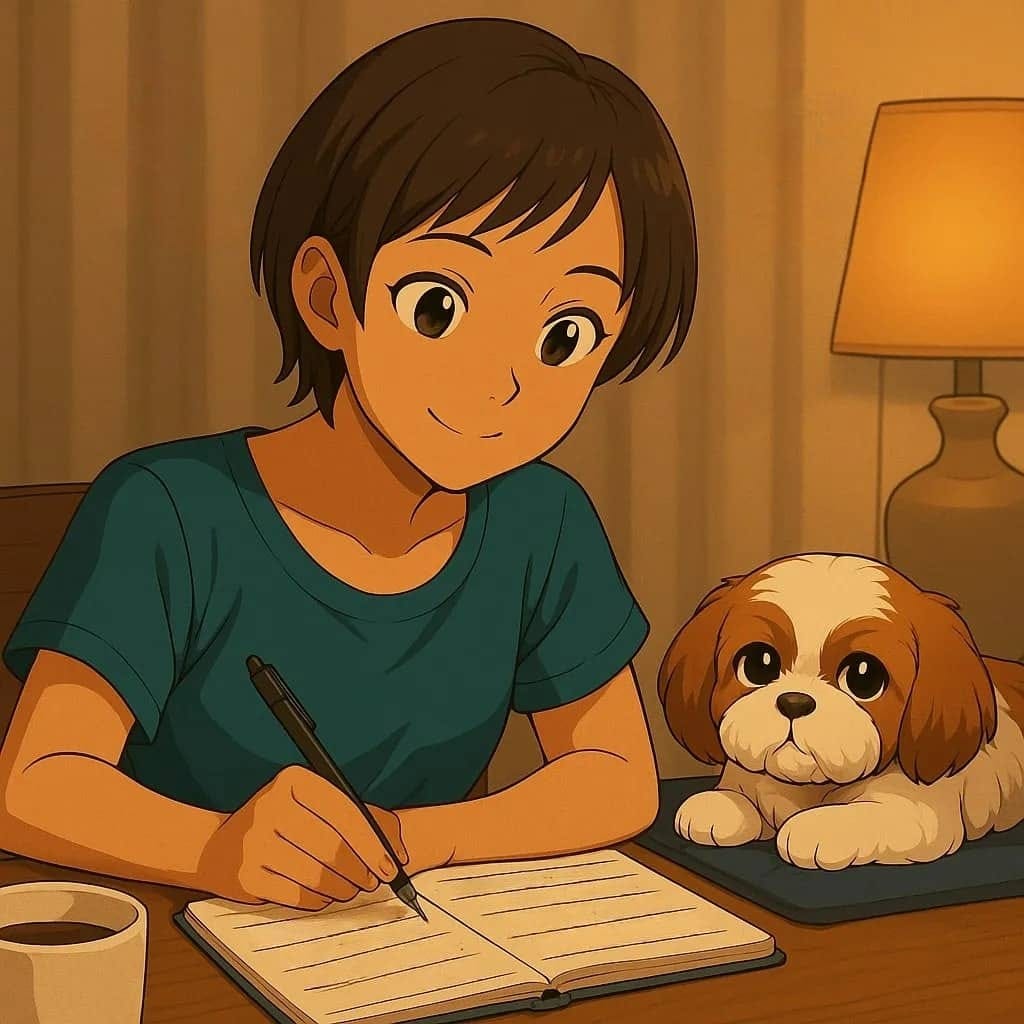
📝 みんなの3行日記から
今回のチャレンジでは、ユニークで心に残る表現がたくさんありました。
🍮「人生とはプリンみたいなものだ!」
→ カフェで食べたプリンから人生を感じた一言。
🍵「手紙寺では、亡くなった人への手紙が書けるそうだ。」
→ 「生きているうちに伝えるほうがいいのでは?」という気づきが印象的でした。
📚「最近、同僚が日本語の勉強を始めました。」
→ 仲間と学ぶことでモチベーションアップ!
たった3行でも、その人らしさや日常のちょっとしたドラマがギュッと詰まっていて、読んでいてとても楽しかったです。
✨ 3行日記のよさ:
たった3行でも、書くことでいろいろな発見がありました。みなさんの声からは、次のような意見がありました:
日本語のアウトプットの場になる
→ 長すぎず、ちょうどいい長さなので、文法や語彙を意識して書けます。
ポジティブな視点が身につく
→ 小さなことでも「よかった」と思えるようになり、感謝の気持ちが生まれます。
毎日を振り返るきっかけになる
→ あとで読み返すと、「私の毎日も悪くないな」と思えることがあります。
💡 書くときのコツ:
長く書こうとしない!短くても続けることが大事です。
面白い表現を少し意識してみると、書くのが楽しくなります。
「普通の日」こそ、小さな幸せを探してみましょう。
🎯 まとめ:
3行は短いと思うかもしれません。でも、その中に気持ちやことばをこめることができます。
0行よりずっといいし、小さな一歩が、大きな変化のはじまりになるかもしれません。
「書く」ことで、日本語の練習になり、心の整理もできて、毎日が少しずつ変わっていきます。これからも、無理なく、楽しく、みなさんと3行日記を続けていけたら嬉しいです😊
✍たかが3行、されど3行。
✍️Just Three Lines, Yet So Much More
Hello everyone! Today, I’d like to share something about the "Three-Line Diary."
What is a Three-Line Diary?
This is a journaling method introduced by Dr. Hiroyuki Kobayashi, a well-known expert in autonomic nervous system research. In March this year, our community Japanese Together had the opportunity to participate in the “Three-Line Diary Challenge.” The rules were very simple:
Write just three lines a day
Exactly three lines—writing more is not allowed!
Post only three times a week, for a total of six posts
That was the challenge. The content could be anything—“something that happened today,” “something you’re grateful for,” or “how you’re feeling today.” After the three-week challenge, we held an online meetup where participants talked about their experience and shared reflections.
🧠 What we talked about:
The theme was: “What was it like to write the diary?”
We discussed the effects, what we noticed, and whether we’d like to continue. Even just three lines gave us practice using Japanese and helped us discover new things in our daily lives.
📝 From Everyone’s Diaries
There were so many unique and memorable expressions during the challenge!
🍮 “Life is like pudding!”
→ A single line inspired by a pudding eaten at a café, reflecting on life.
🍵 “At ‘Letter Temple,’ you can write letters to those who’ve passed away.”
→ One participant reflected, “Maybe we should tell them while they’re still alive,” which left a strong impression.
📚 “Recently, one of my coworkers started learning Japanese.”
→ Studying with others can really boost motivation!
Even with just three lines, you could feel each person’s personality and a glimpse into their daily life. It was such a joy to read them.
✨ Why the Three-Line Diary Works:
Despite being short, writing three lines led to many discoveries. Here are some of the things participants said:
It’s a great way to practice output in Japanese
→ It’s short enough to manage, so you can focus on grammar and vocabulary.It helps develop a more positive outlook
→ You start noticing and appreciating even the little things.It encourages daily reflection
→ Looking back later, you might think, “Hey, my days aren’t so bad after all.”
💡 Tips for Writing:
· Don’t try to write too much! What matters is consistency.
· Play around with interesting expressions—it makes writing more fun.
· On “ordinary” days, try finding small joys hidden in your routine.
🎯 In Summary:
Three lines might seem short. But you’d be surprised how much feeling and meaning you can pack into them. And three lines is so much better than zero. A small step might just be the beginning of a big change.
By writing, you’re not only practicing Japanese—you’re organizing your thoughts, and slowly transforming your everyday life. I hope we can continue this Three-Line Diary journey together—at our own pace with joy 😊